Home Window Tinting: Benefits, Types, and Costs
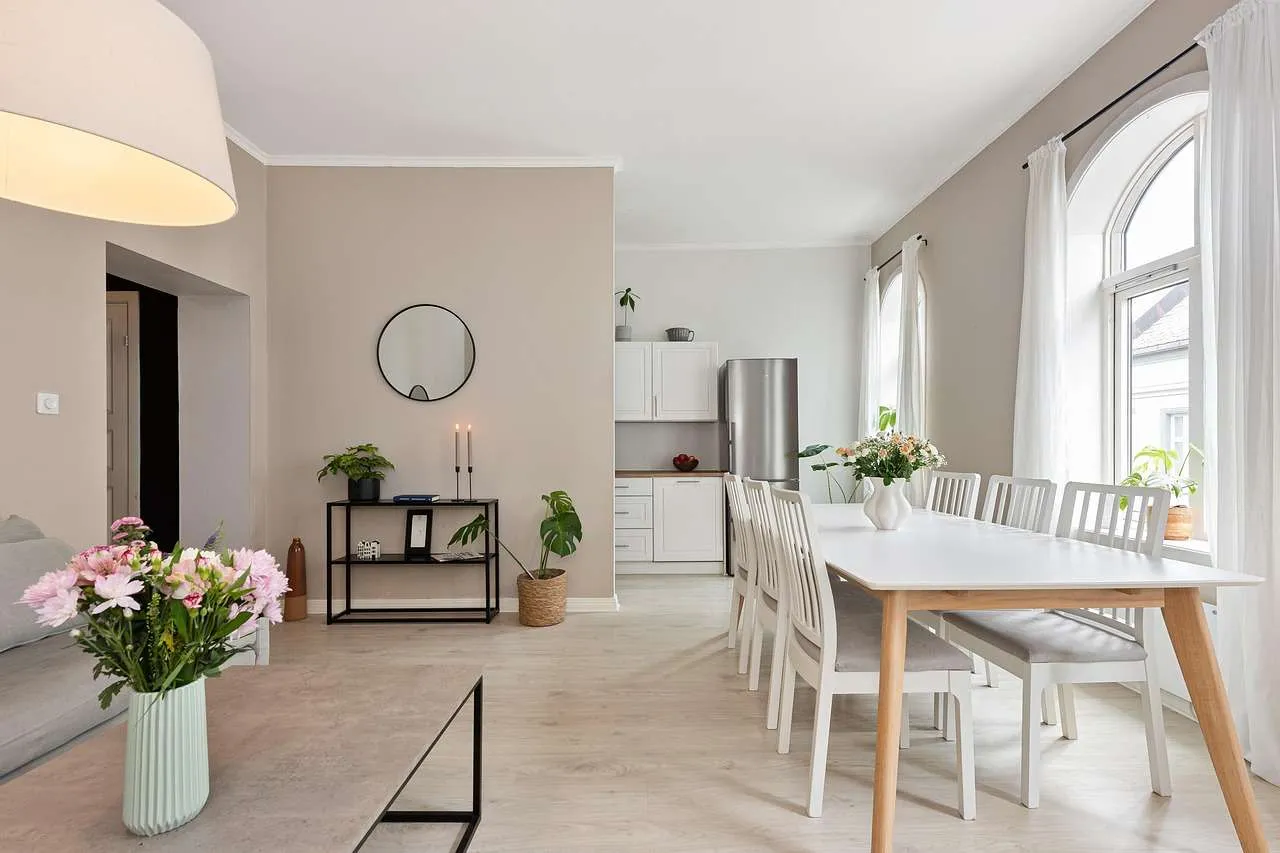
Home Window Tinting: Benefits, Types, and Costs
What is Home Window Tinting?
Home window tinting involves applying a thin film to the interior surface of glass windows. The film can reflect, absorb or reduce heat, UV light and glare. Modern films are designed to be durable, fade-resistant and optically clear. Professional installers use calibrated films, proper adhesive systems and specialized equipment to ensure a clean, bubble-free finish. When selecting a tint for your home, consider climate, sun exposure, privacy needs and the aesthetic you want to achieve.
Benefits of Home Window Tinting
- Energy efficiency: Tint reduces heat gain in summer and heat loss in winter, which can lower cooling and heating loads.
- UV protection: Most films block up to 99% of ultraviolet rays, protecting furniture and flooring from fading.
- Glare reduction: Less glare improves comfort for work, screen viewing and everyday activities.
- Privacy and safety: Some tints limit visibility from outside while laminated films add shatter resistance.
- Long-term value: Reducing fading and maintaining interior comfort can preserve property value.
Types of Window Tint Films
There are several film technologies, each with trade-offs in cost, performance and appearance:
| Type | Pros | Cons | Typical Cost per sq ft | Best Use |
|---|---|---|---|---|
| Dyed | Low cost, good color options | Can fade and may show wear; lower UV protection | $1–$4 | Budget projects, cosmetic tint |
| Metalized | Excellent heat rejection, adds strength | Possible interference with electronics, may show bands | $2–$6 | Heat control with visible reflectivity |
| Ceramic | High heat rejection, no reflectivity, excellent clarity | Higher cost | $5–$10 | Balanced performance and aesthetics |
| Nano-ceramic | Optimal clarity, UV protection, strong heat rejection | Premium price | $6–$12 | Premium homes, large windows |
Choosing the Right Tint
Start with your climate and goals. If you live in a sunny area with large west-facing windows, a ceramic or nano-ceramic film often provides the best balance of heat control and optical clarity. Check local building codes or HOA rules; some communities limit reflectivity or certain colors on exterior glass. Warranty terms matter: factory-backed warranties typically cover fading, bubbling or adhesion failures for many years. For best results, hire a licensed installer who can assess glass type, heat load, and frame condition and who can provide a written estimate and warranty.
Installation and Maintenance
Professional installation involves careful surface cleaning, temperature control, and precise heat shrinking to remove air pockets. DIY kits exist but are challenging on large or multi-pane windows and in retrofits with insulated glass units. After installation, avoid abrasive cleaners and ammonia-based solutions that can degrade the adhesive. Use a soft cloth and mild soap or window cleaner. Inspect edges annually for peeling or bubbling and address any issues promptly to maintain performance and warranty compliance.
Cost and ROI
Costs vary by film type, window size and labor. Typical ranges per square foot are as follows: dyed films $1–$4, metalized $2–$6, ceramic $5–$10, nano-ceramic $6–$12. Professional installation often adds $2–$5 per sq ft. For many homeowners, energy savings and improved comfort can offset initial costs within 2–6 years, depending on climate, sun exposure and energy prices. A good ROI also comes from protecting furnishings and extending window life, which reduces replacement cycles.
Frequently Asked Questions
- Will home window tinting darken my home?
- Not necessarily. Many films reduce solar heat without dramatically changing visible light. Select a shade that meets your privacy and light preferences.
- Can I install tint myself?
- DIY tinting is possible for small projects, but for large windows or glass with coatings, professional installation yields better results and preserves warranty.
- Is tinting better than blinds?
- Tinting offers constant light control and UV protection, while blinds provide adjustable privacy. They can be used together for maximum flexibility.
Conclusion, choosing the right home window tinting involves understanding film types, climate needs, and professional installation considerations. A reputable installer will guide you through sample shades, confirm compatibility with glass, provide warranties, and ensure a clean finish that lasts.